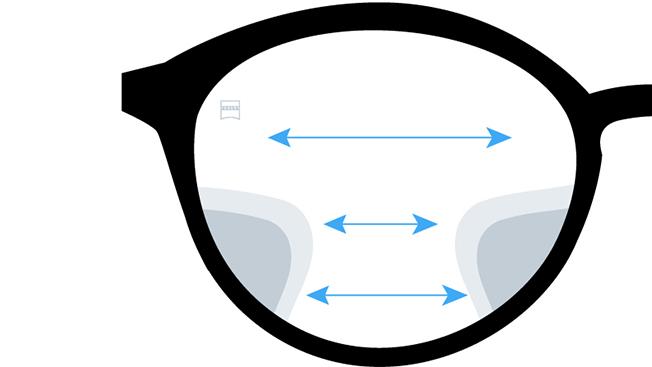
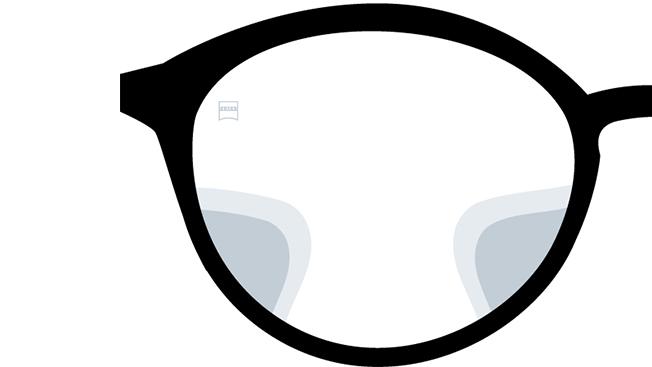
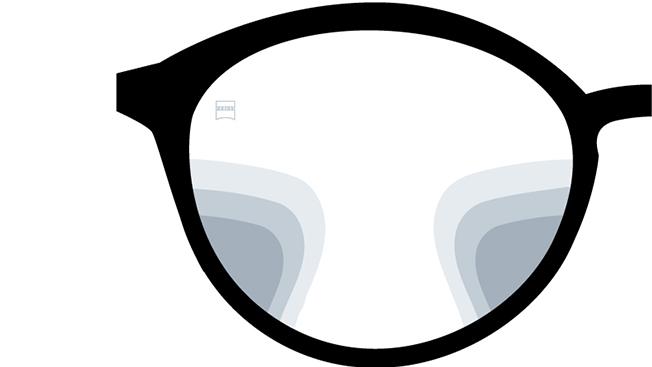
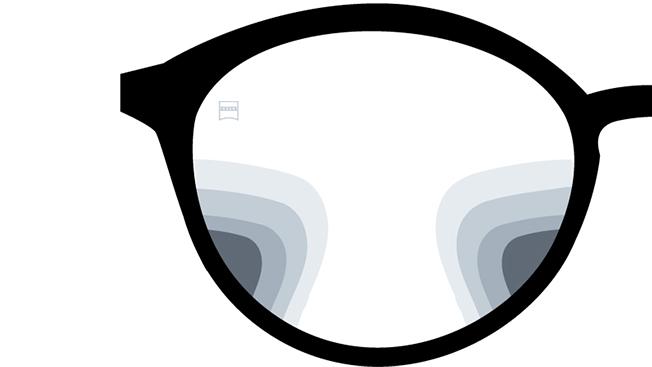
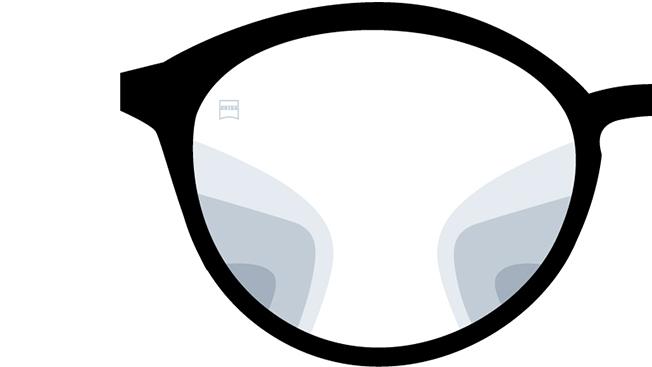
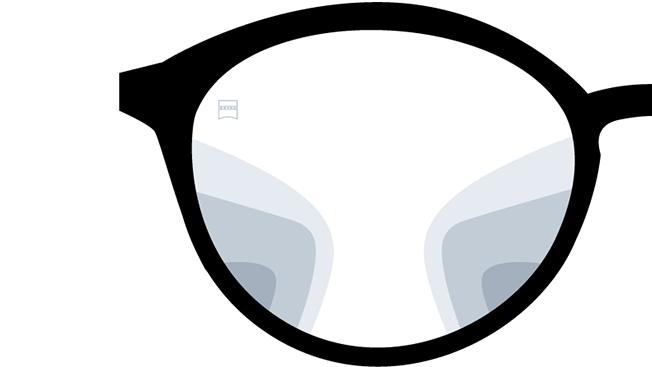
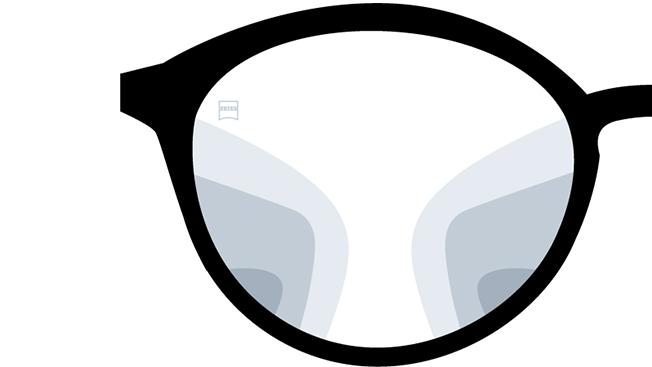
A picture of three ZEISS Progressive lenses.
ZEISS FOR EYE CARE PROFESSIONALS

ZEISS Progressive Lenses

As unique as each patient.

With ZEISS freeform, progressive lenses, your patients get an optimized lens solution for their individual vision needs. Thanks to the excellent standards with which they are produced, our premium progressive lenses provide a smooth transition throughout the lens, irrespective of where the patient is looking. All our clear ZEISS freeform lenses also provide sunglass-level UV protection.

Scroll down to view the various types of progressive lenses available.

ZEISS ClearMind Progressive Lenses

Meet our most sophisticated lens to date: ZEISS ClearMind Progressive. Developed based on daily visual habits and a deep understanding of how people's vision and minds are connected, ZEISS ClearMind uses ZEISS NeurOptix technology to provide extremely clear vision in key areas while minimizing the impact of blur.1 This helps reduce perceived cognitive load, resulting in better focus and concentration.2 The optimized hybrid lens design delivers wide fields of clear vision, an extra large intermediate zone and smooth transitions into the optimized blur zones, allowing fast adaptation and extremely clear vision in all distances and directions.

ZEISS Progressive SmartLife Lenses

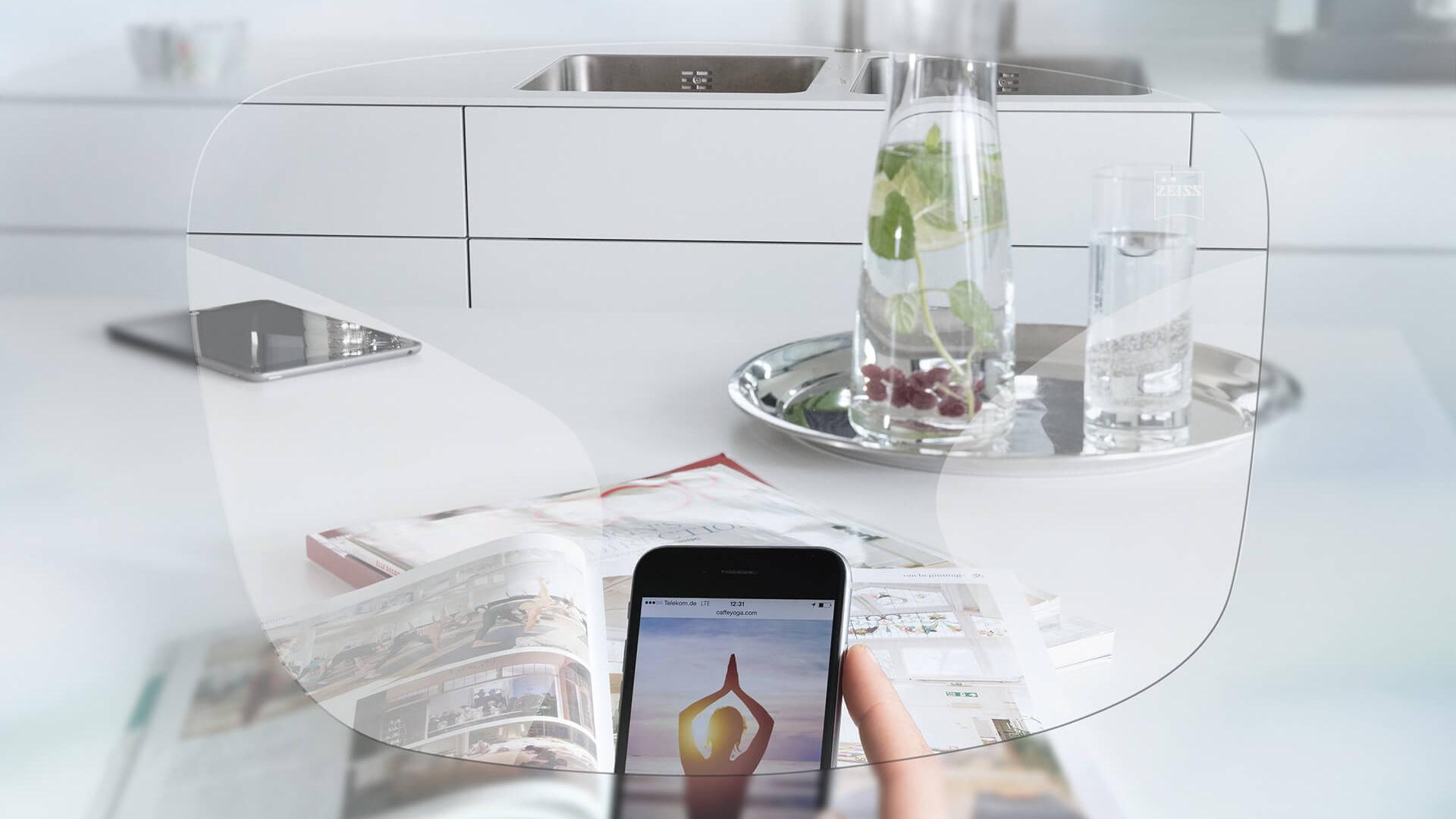
The ZEISS SmartLife portfolio is designed and manufactured to address the visual needs of your connected and on-the-move patients. Featuring ZEISS SmartView 2.0 technology, and based on applied research into today’s lifestyle, visual behavior and individual, age-related visual needs. ZEISS SmartLife Progressive Lenses have a hybrid design, this means the clear and blurry zones are balanced. As a result, there is a smooth transition into the blurry zones and wide fields of view at all distances and in all directions. This allows for fast adaptation and comfortable & clear vision at any distance and in all directions for the wearer.

ZEISS Progressive Light 2 lenses

ZEISS Progressive Light 2 lenses are designed to meet the vision needs of 45+ year old patients who are experiencing presbyopia either for the first-time or who are already mature eyeglass lens wearers of standard progressive lenses. ZEISS Progressive Light 2 lenses have a moderate-soft design, which means they have a medium field of clear view but show a soft increase of blur distributed across the peripheral areas. As a result, the transition between the blur zones is moderate soft. This allows for fast adaptation and clear vision at any distance for the wearer. Ideal for patients new to the progressive lens category.

ZEISS Progressive DriveSafe Lenses

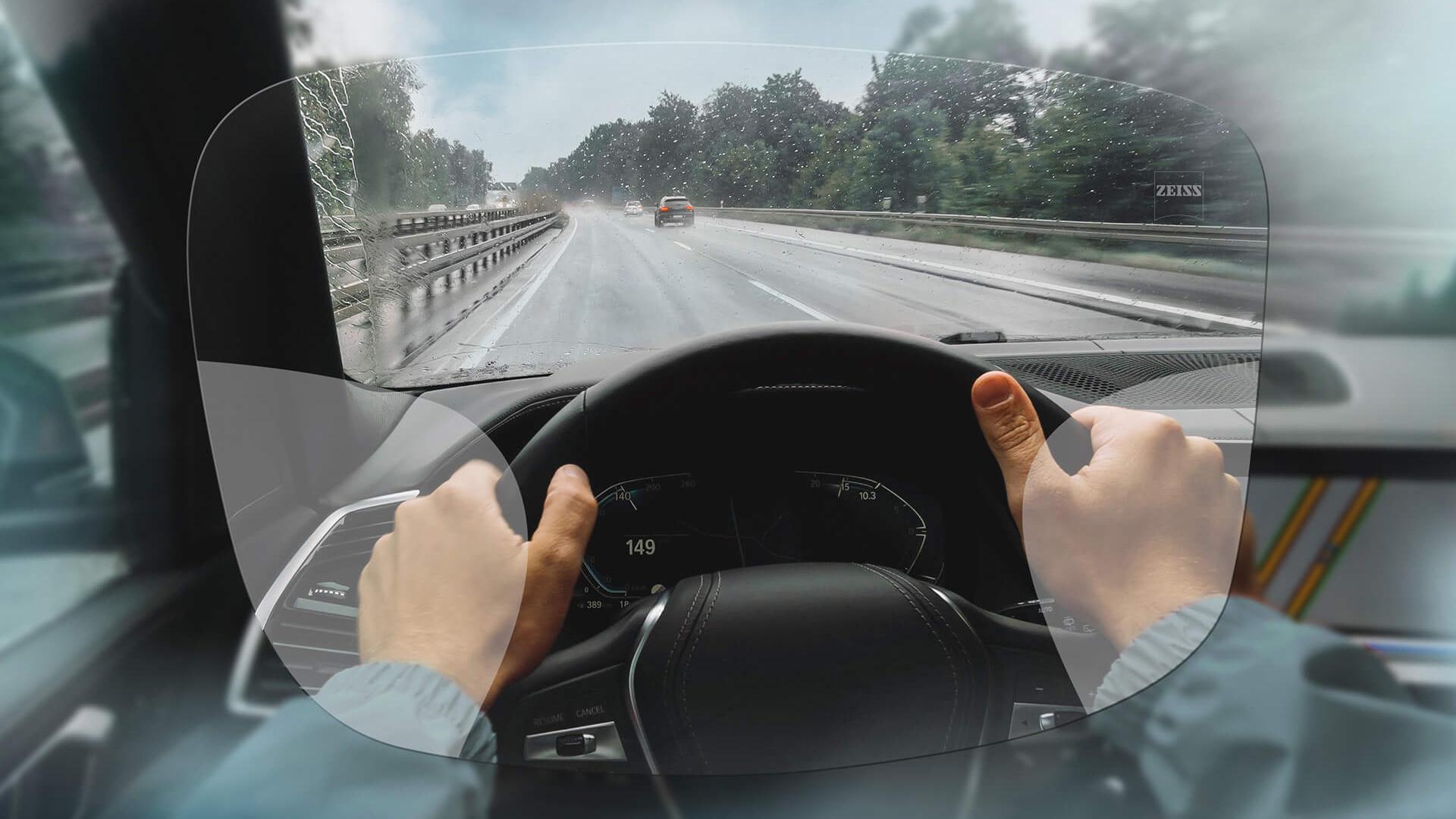
Specifically designed to meet the visual needs of patients who want to feel safer and more comfortable when driving. These lenses provide fast refocusing between the road, dashboard and mirrors. Apart from driving, patients using DriveSafe lenses are also satisfied with their glasses in other everyday tasks.

Contact Us

Become a ZEISS partner

Form is loading...

The information entered in the contact form will be used to answer your request by  Carl Zeiss Vision Canada by E-Mail or phone.  Click here  to read our statement on data protection.

Schedule an appointment

Form is loading...

The information entered in the contact form will be used to answer your request by  Carl Zeiss Vision Canada by E-Mail or phone. Click here to read our statement on data protection.


  • 1

    96% of wearers confirm extremely clear vision. Opinion-based survey among wearers of ZEISS ClearMind Lenses in Germany, Italy, India & China (N=298, single vision, digital & progressive lenses), Carl Zeiss Vision International GmbH, DE 2025. (unpublished, data on file, Top2boxes)

  • 2

    NASA-TLX assessment of perceived cognitive load. Performance test on ZEISS ClearMind Progressive Lenses compared to standard ZEISS Progressive Lenses, N=32. ZEISS Vision Science Lab, Institute for Ophthalmic Research, University of Tuebingen, DE 2025.

  • 3

    Calculation & analysis by Technology & Innovation, Carl Zeiss Vision International GmbH, DE 2025. (unpublished, data on file)